
Late Talkers: How Speech Therapy Helps
Hearing the phrase “late talker” can be worrying for parents. You may be hearing things like “they’ll talk when they’re ready” or “don’t worry, they’ll grow out of it.” While reassurance is helpful, it’s also important to understand what late talking really means, and when support can make a difference.
As a Speech and Language Therapist, I see many families who wish they’d had clearer information sooner.
What Is a Late Talker? How Speech Therapy Helps
A late talker is usually a toddler aged 18–30 months who:
- Understands language fairly well
- Uses fewer words than expected for their age
- Has limited or no two-word combinations by age two
Late talkers often:
- Communicate using gestures instead of words
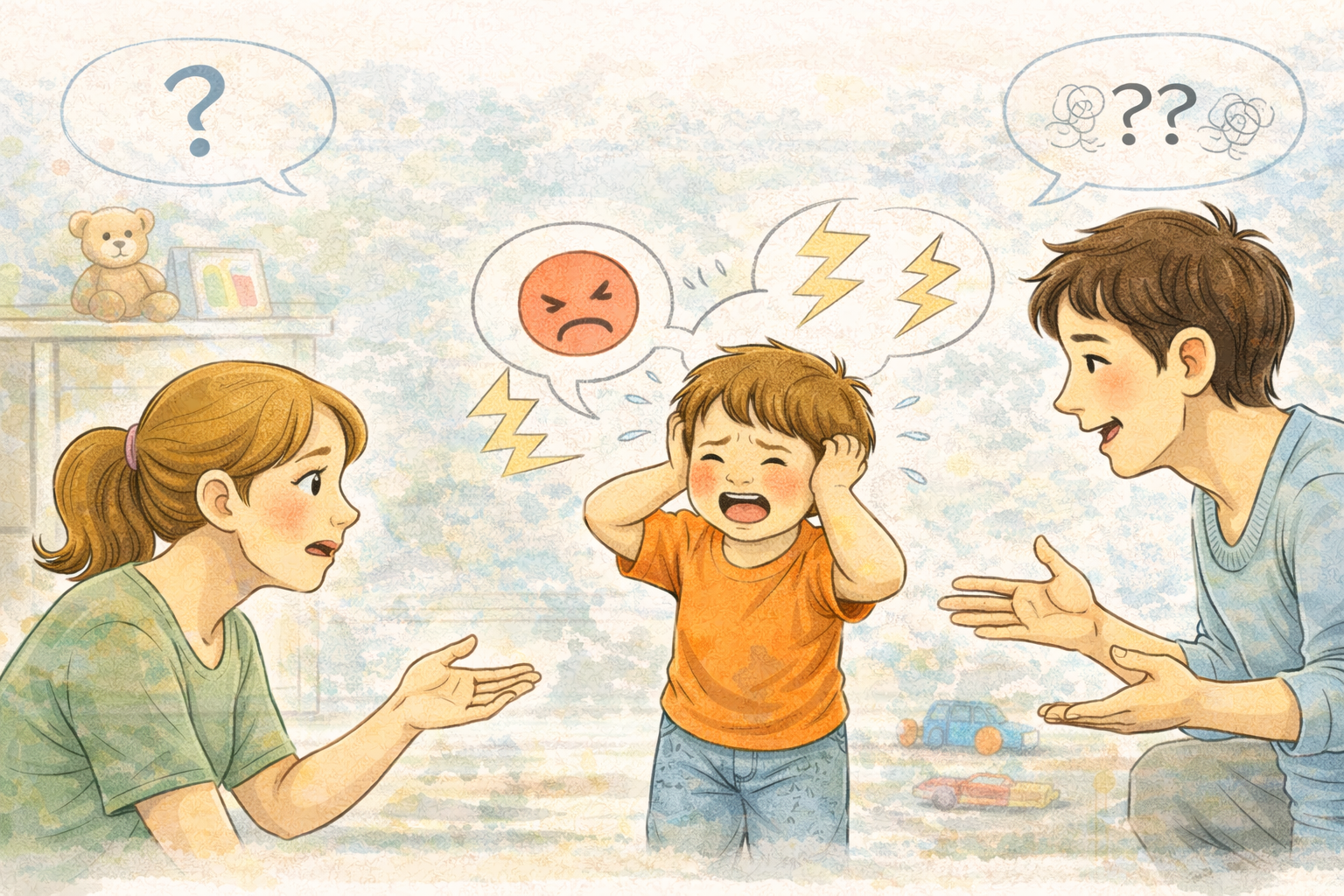
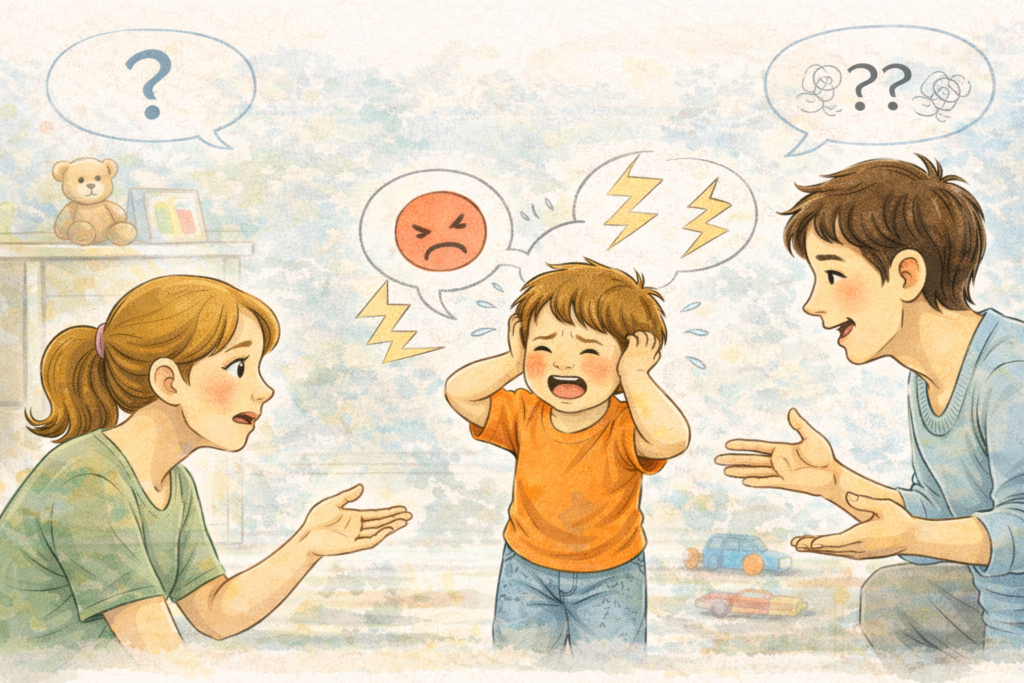
- Get frustrated when they can’t express themselves
- Seems to understand everything but says very little
How Many Words Should a Late Talker Have?
While every child develops differently, general guidelines suggest:
- 18 months: around 10–20 words
- 2 years: around 50+ words and combining words
- 2½ years: increasing vocabulary and short sentences
If your child has very few words or isn’t combining words by age two, they may fall into the late talker category.
Will Late Talkers Catch Up? How Speech Therapy Helps
Some late talkers do catch up on their own, but many don’t.
Research shows that a significant number of late talkers:
- Continue to have language difficulties later on
- May struggle with sentence building, vocabulary, or understanding
- Can experience confidence and behaviour challenges linked to communication
This is why early support is so important.
Signs a Late Talker May Need Extra Support
You may want to seek speech therapy if your child:
- Uses very few words
- Relies mostly on pointing or leading adults
- Gets upset when not understood
- Isn’t combining words by age two
- Doesn’t copy words easily
- Shows little interest in communication
Trust your instincts. Parents are often the first to notice when something doesn’t feel right.
How Speech Therapy Helps Late Talkers
Speech therapy focuses on:
- Building functional, meaningful language
- Encouraging words through play, not pressure
- Supporting understanding and attention
- Helping parents use simple strategies throughout the day
Therapy is play-based, child-led, and tailored to your child’s interests, not drilling or forcing speech.
What Can Parents Do at Home? How Speech Therapy Helps
While waiting for NHS speech therapy (often with long waiting lists), you can help by:
- Talking about what your child is doing, not asking questions constantly
- Repeating and expanding their attempts (e.g. “car” → “fast car”)
- Giving choices instead of yes/no questions
- Reducing screen time and increasing interaction
- Following your child’s lead in play
These strategies are explained step by step in the speech therapy books and printable PDF resources available on this website, which are designed to support late talkers in everyday routines.
To get a copy of my books, click here – https://mybook.to/SLT4Toddlers
Late Talking and Autism
Some late talkers go on to receive an autism diagnosis, while many do not. Late talking alone does not mean autism, but if speech delay is combined with:
- Limited eye contact
- Little joint attention
- Reduced social interaction
It’s important to seek further advice. Early support can be life-changing.
Being a late talker doesn’t define your child, but supporting communication early can prevent frustration and build confidence.
You don’t need to “wait and see” without guidance. Whether through NHS services, private support, or parent-led strategies, helping your child communicate now matters.
Explore the books, PDFs, and practical speech therapy resources on Kids SLT Essentials to get started today.