
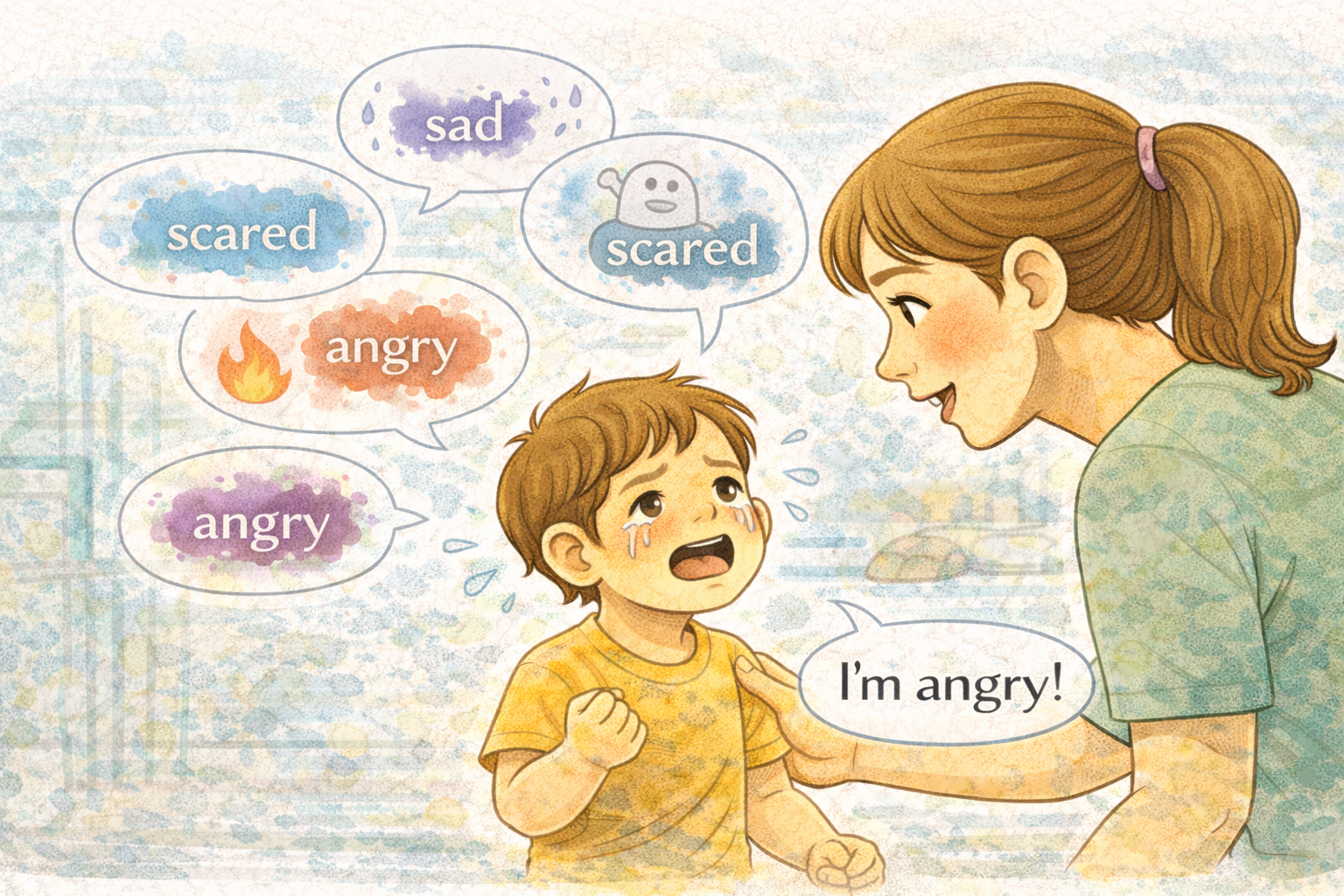
Why Behaviour Is Often About Speech
Many parents worry about tantrums, meltdowns, or “challenging behaviour” — but what’s often missed is that behaviour is a form of communication.
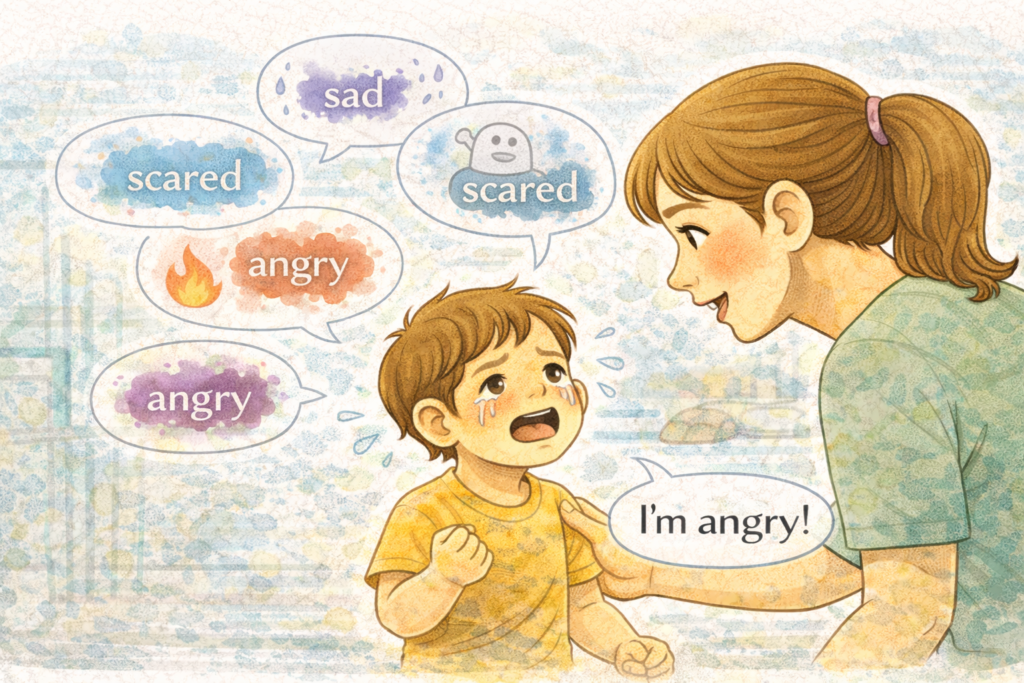
When children don’t yet have the words to express themselves, feelings often come out through actions instead.
Tantrums or Communication
Why Communication Difficulties Lead to Behaviour
Young children may struggle with behaviour when they:
- Can’t express their needs or feelings
- Aren’t understood by others
- Feel overwhelmed by language demands
- Don’t understand what’s being asked of them
Tantrums or Communication
This can look like tantrums, hitting, crying, withdrawal, or refusal.
Signs Behaviour May Be Communication-Based
Behaviour is more likely linked to communication if your child:
- Gets upset during transitions
- Has frequent meltdowns around routines
- Struggles to follow instructions
- Becomes frustrated when not understood
- Appears calmer when communication demands are reduced
Tantrums or Communication
Understanding the why helps shift how we respond.
Speech, Language, and Emotional Regulation
When children lack the words to express:
- “I don’t understand”
- “I need help”
- “I’m overwhelmed”
Their bodies often take over instead.
Tantrums or Communication
Speech and language development plays a key role in:
- Emotional regulation
- Reducing frustration
- Improving behaviour
3 Ways to Support Communication and Reduce Behaviour
Small adjustments can help:
- Simplify your language
Shorter phrases are easier to process. - Acknowledge feelings with words
Model phrases like “You’re upset” or “That’s hard.” - Support understanding with visuals
Routines and visual cues reduce uncertainty.
Tantrums or Communication
These approaches are often used in speech and language therapy to support both communication and behaviour.
What If Support Is Delayed?
Long NHS waiting times can mean families are left coping alone for longer than expected. While waiting, consistent communication strategies can reduce daily stress.
The speech therapy books and printable PDFs on Kids SLT Essentials offer practical tools to help children express themselves and reduce frustration at home.
Behaviour is rarely “just behaviour.” When we support communication, we often see behaviour improve naturally.
Understanding your child’s communication needs is a powerful first step. ✅ Next: